

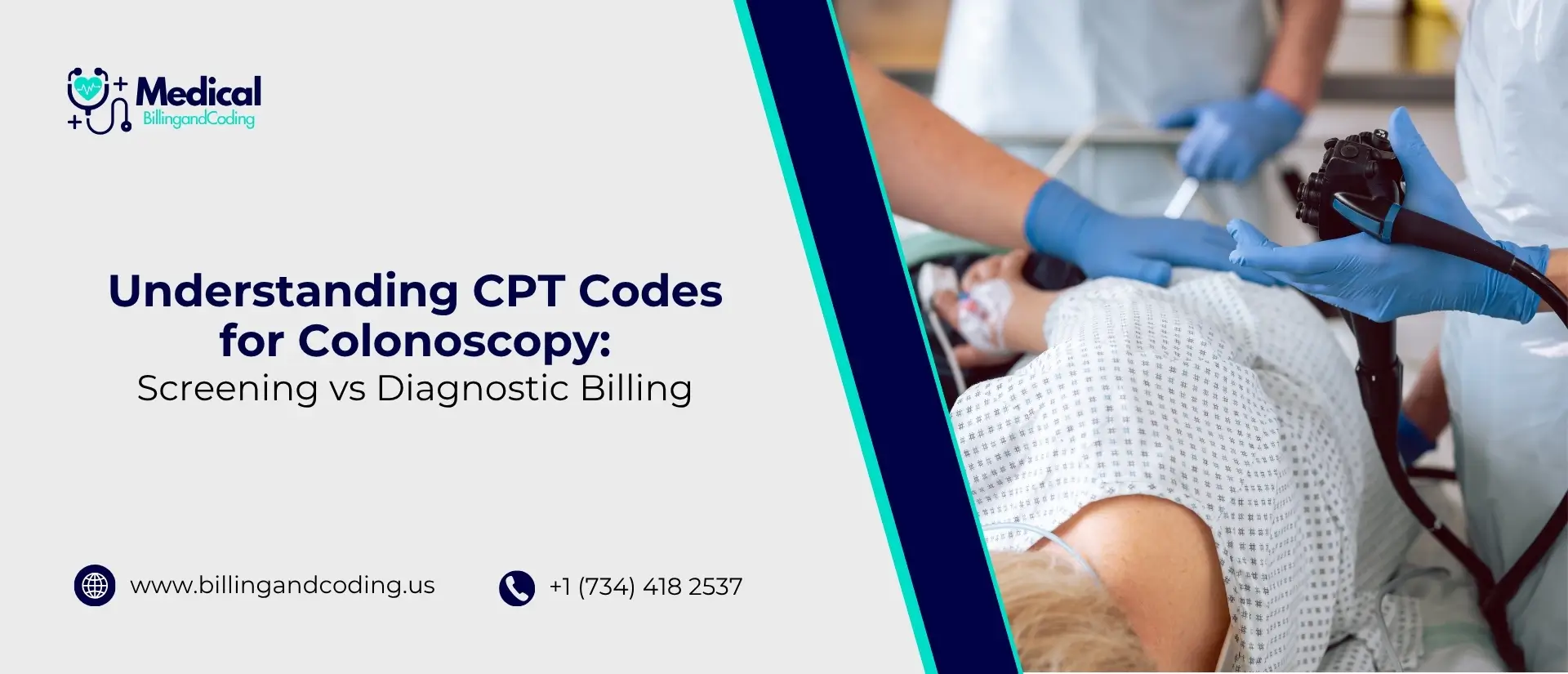
Colonoscopy CPT codes are essential for accurate medical billing and reimbursement in gastroenterology services. These codes help providers communicate the exact nature of the procedure to payers. Understanding how these codes work reduces claim denials and improves revenue cycle efficiency.
Introduction colonoscopy cpt code
What Are CPT Codes in Medical Billing?
CPT (Current Procedural Terminology) codes are standardized codes used to describe medical, surgical, and diagnostic services. They are maintained by the American Medical Association and widely used across healthcare systems. These codes ensure consistency in billing and documentation across providers and insurers.
Importance of Accurate Coding for Colonoscopy Procedures
Accurate coding is critical because even small errors can lead to denied claims or reduced payments. Colonoscopy procedures often involve nuanced distinctions, especially between screening and diagnostic purposes. Proper coding ensures compliance and protects providers from audits and penalties.
Overview of Screening vs Diagnostic Colonoscopy
Screening colonoscopies are preventive and performed on asymptomatic patients, while diagnostic colonoscopies address specific symptoms. The distinction directly affects coding, billing, and patient costs. Understanding this difference is key to avoiding costly billing mistakes.
What Is a Colonoscopy?
Purpose of a Colonoscopy
The main purpose is to identify and prevent colorectal diseases, especially cancer. It allows physicians to detect issues early and even remove polyps during the procedure. Early detection significantly improves patient outcomes and reduces long-term healthcare costs.
Common Indications for the Procedure
Colonoscopy is recommended for patients with symptoms like rectal bleeding, chronic diarrhea, or abdominal pain. It is also used for routine cancer screening in adults over a certain age. Family history and previous findings may also indicate the need for this procedure.
Preventive vs Symptomatic Use Cases
Preventive colonoscopies are done without symptoms to detect early disease. Symptomatic cases are performed when a patient presents clinical concerns. This difference determines whether the procedure is billed as screening or diagnostic.
Screening Colonoscopy CPT Codes
Screening colonoscopy codes are used when the procedure is performed as a preventive measure. These codes are crucial for ensuring insurance coverage under preventive care benefits. Proper use can significantly reduce patient out-of-pocket costs.
Definition of Screening Colonoscopy
A screening colonoscopy is performed on individuals without symptoms to detect early signs of colorectal cancer. It is considered preventive care and often covered fully by insurance. The goal is early detection and prevention of serious conditions.
Common CPT Codes for Screening (e.g., 45378, G0121, G0105)
Common codes include 45378 for general colonoscopy, G0121 for average-risk patients, and G0105 for high-risk individuals. These codes help differentiate patient risk levels and procedure intent. Selecting the correct code ensures proper reimbursement and compliance.
Medicare vs Commercial Insurance Guidelines
Medicare has specific HCPCS codes like G0121 and G0105 for screening procedures. Commercial insurers may follow CPT codes but apply different rules. Understanding payer-specific guidelines is essential for accurate billing.
Frequency and Eligibility Requirements
Screening colonoscopies are typically covered every 10 years for average-risk patients. High-risk individuals may qualify for more frequent screenings. Eligibility depends on age, medical history, and insurance policies.
Diagnostic Colonoscopy CPT Codes
Diagnostic colonoscopy codes are used when the procedure is performed to investigate symptoms. These codes often result in different reimbursement rates compared to screening procedures. Accurate classification is essential to avoid billing errors.
Definition of Diagnostic Colonoscopy
A diagnostic colonoscopy is performed to evaluate symptoms or abnormal findings. It is not considered preventive care and may involve patient cost-sharing. The focus is on diagnosing and treating existing conditions.
Common CPT Codes for Diagnostic Procedures
Codes such as 45380 (biopsy) and 45385 (polyp removal) are commonly used. These codes reflect additional interventions performed during the procedure. Proper selection ensures accurate documentation of services provided.
When a Screening Becomes Diagnostic
If a polyp is found or a biopsy is taken during a screening, the procedure becomes diagnostic. This change impacts coding and billing significantly. Proper documentation is required to justify the transition.
Documentation Requirements for Diagnostic Billing
Detailed documentation must include symptoms, findings, and procedures performed. Clear clinical justification is necessary for diagnostic coding. Incomplete records can lead to claim denials or audits.
Key Differences Between Screening and Diagnostic Colonoscopy
Understanding the differences between screening and diagnostic colonoscopies is essential for compliance. These differences impact coding, billing, and patient financial responsibility. Proper classification ensures accurate reimbursement.
Clinical Criteria Differences
Screening procedures are performed without symptoms, while diagnostic ones address specific concerns. Clinical indications determine the coding pathway. Accurate patient history plays a key role in classification.
Coding and Modifier Usage
Modifiers help clarify whether a procedure is preventive or diagnostic. They provide additional information to payers. Incorrect use of modifiers can result in claim rejection.
Patient Cost Implications
Screening colonoscopies are often fully covered, while diagnostic procedures may involve copays or deductibles. Patients may be surprised by unexpected costs if coding is incorrect. Transparency in billing is important for patient satisfaction.
Insurance Coverage Variations
Coverage varies widely between Medicare and private insurers. Each payer may have unique rules for colonoscopy billing. Staying updated with payer policies is crucial for billing teams.
Modifiers Used in Colonoscopy Billing
Modifiers play a vital role in clarifying the nature of the procedure. They help ensure accurate claim processing and reimbursement. Proper usage reduces billing errors and improves compliance.
Modifier 33 (Preventive Services)
Modifier 33 indicates that the service is preventive in nature. It helps ensure that the procedure is covered under preventive benefits. This modifier is commonly used for screening colonoscopies.
Modifier PT (Colorectal Cancer Screening Converted to Diagnostic)
Modifier PT is used when a screening colonoscopy becomes diagnostic. It informs Medicare that the procedure started as preventive. This helps adjust patient cost-sharing appropriately.
Other Relevant Modifiers and Their Use Cases
Other modifiers may include those for multiple procedures or incomplete procedures. Each modifier has a specific purpose and must be used correctly. Understanding their application improves billing accuracy.
Documentation Best Practices
Strong documentation supports accurate coding and reduces the risk of audits. It ensures that all services provided are properly recorded. Good documentation is the foundation of effective medical billing.
Importance of Accurate Clinical Documentation
Accurate documentation reflects the true nature of the procedure. It provides evidence for coding decisions and supports claims. Poor documentation can lead to denied reimbursements.
Key Elements to Include in Reports
Reports should include patient history, indications, findings, and interventions. Clear and detailed notes improve coding accuracy. Consistency in documentation practices is essential.
Avoiding Common Documentation Errors
Common errors include missing details or unclear indications. These mistakes can lead to claim denials or delays. Regular training helps reduce documentation issues.
Common Billing Mistakes and How to Avoid Them
Billing errors can significantly impact revenue and compliance. Identifying common mistakes helps improve accuracy. Preventive measures can reduce financial losses.
Misclassification of Screening vs Diagnostic
Incorrect classification is one of the most common errors. It can lead to incorrect billing and patient dissatisfaction. Proper training and review processes help prevent this issue.
Incorrect Use of Modifiers
Using the wrong modifier can result in claim rejection. Each modifier must be applied based on specific criteria. Regular audits can help identify and correct errors.
Errors in Patient History Documentation
Incomplete or inaccurate patient history can affect coding decisions. This may lead to incorrect billing classification. Ensuring thorough documentation is essential.
Reimbursement Guidelines and Considerations
Reimbursement depends on accurate coding and payer policies. Understanding guidelines helps maximize revenue. Staying informed about updates is crucial for billing success.
Medicare Reimbursement Policies
Medicare has specific rules for screening and diagnostic colonoscopies. It often covers preventive services fully but applies cost-sharing for diagnostic procedures. Knowing these policies helps avoid billing errors.
Private Payer Variations
Private insurers may have different coverage rules and reimbursement rates. Each payer may interpret guidelines differently. Verifying policies before billing is a best practice.
Impact of Coding Accuracy on Revenue Cycle
Accurate coding ensures timely reimbursements and reduces denials. It improves the overall efficiency of the revenue cycle. Consistent accuracy leads to financial stability for healthcare practices.
Conclusion
Colonoscopy CPT coding plays a critical role in medical billing and compliance. Understanding the differences between screening and diagnostic procedures is essential. Accurate coding ensures proper reimbursement and patient satisfaction.
Key Takeaways for Providers and Billing Teams
Providers must focus on accurate documentation and correct code selection. Billing teams should stay updated on payer guidelines. Collaboration between clinical and billing staff improves overall efficiency.
Ensuring Compliance and Maximizing Reimbursement
Compliance requires attention to detail and continuous education. Using correct codes and modifiers helps avoid audits and penalties. A well-managed billing process leads to better financial outcomes and smoother operations.
Make An Appintment With Us